AI opens up new opportunities in the treatment of infertility in Kazakhstan
A sculpture titled “Ansagan Sabi” has been installed in Almaty. It was inspired by the program of the same name aimed at improving the reproductive health of the population, reports a Kazinform correspondent.
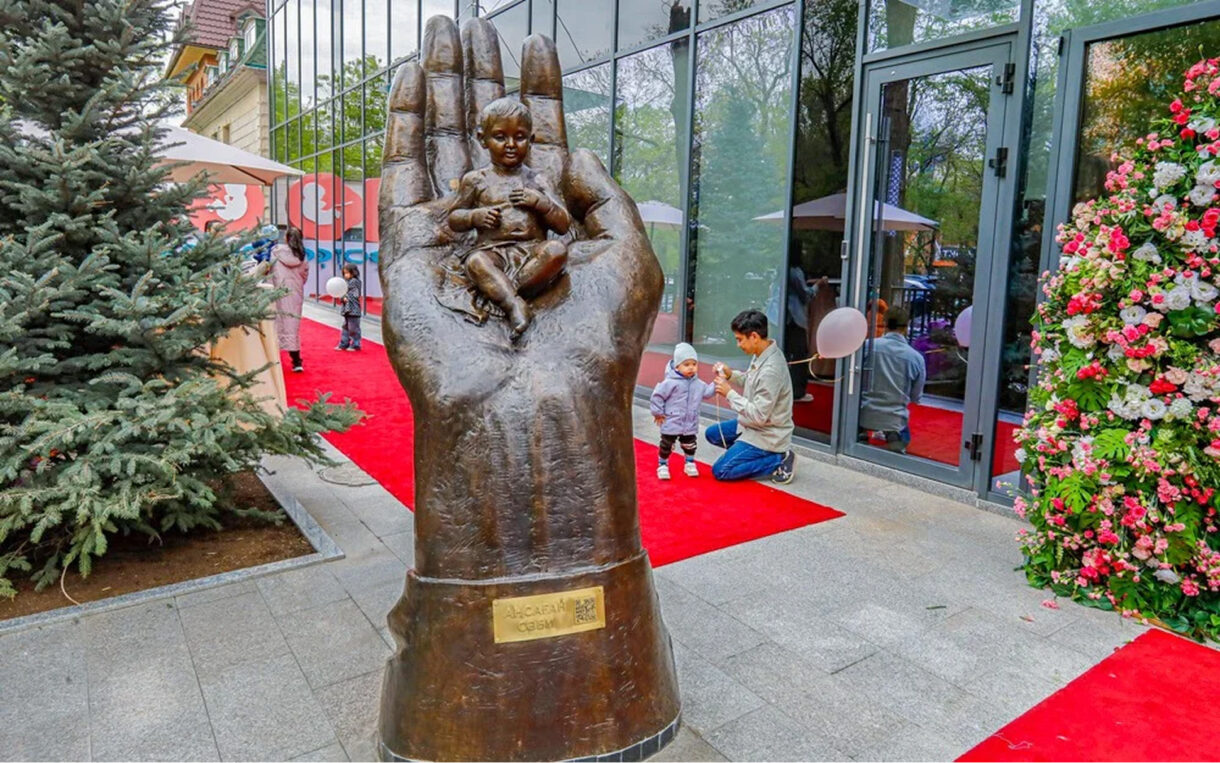
The creators of the composition were inspired by the nationwide program initiated by President Kassym-Jomart Tokayev.
The national “Ansagan Sabi” (“Long-Awaited Baby”) program was launched in 2020. Since then, the number of quotas for in vitro fertilization procedures has increased sevenfold, with 7,000 IVF quotas allocated annually. Over this period, more than 9,000 babies have been born in Kazakhstan thanks to the program.
The “Ansagan Sabi” sculpture depicts a mother’s hand holding a baby.
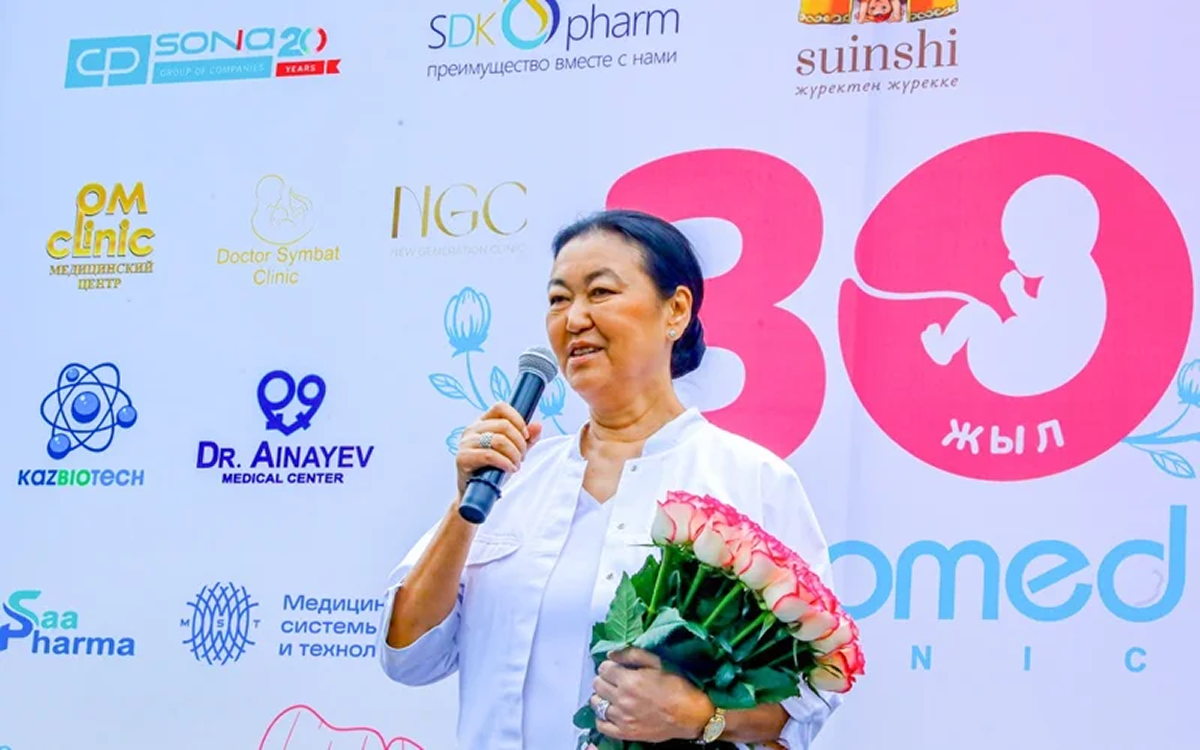
“I dream of a Kazakhstan where no couple is left struggling with infertility and where children’s laughter can be heard in every family. For couples facing infertility, what matters first and foremost is empathy. That is why the ‘Ansagan Sabi’ sculpture is a symbol of hope for everyone who dreams of holding their own baby close to their heart. The artists depicted a baby resting in a mother’s hand, reflecting the pain, hopes, and tears of women who long to become mothers,” said Saltanat Baikoshkarova, reproductive medicine specialist and founder of the Ecomed Clinic.
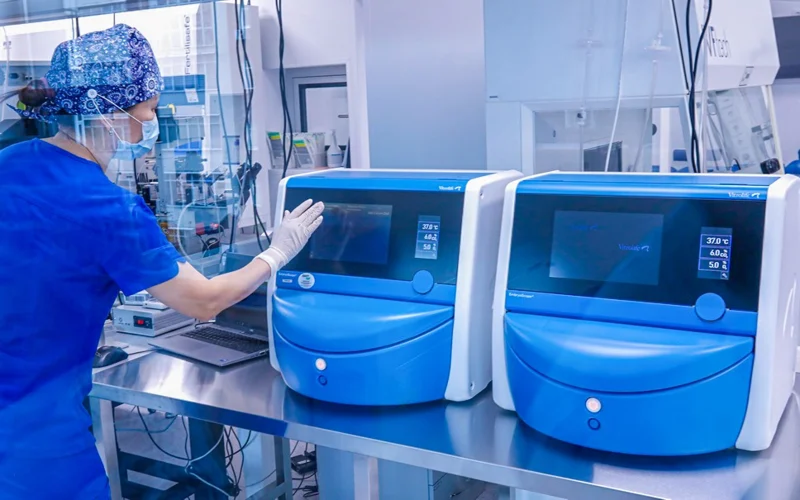
Modern technologies, including artificial intelligence, are increasingly being used in reproductive medicine, significantly facilitating the work of Kazakhstani doctors. One such high-tech system, the EmbryoScope Plus incubator, is already being used in clinics across the country.
“This incubator is unique because it incorporates artificial intelligence and is also equipped with a camera that records embryo development every 15 minutes — from the fertilization of the oocyte to the blastocyst stage, meaning from Day 0 through Days 5–6. We can observe how the embryo has developed over time.
Artificial intelligence also analyzes embryo development and assigns a specific score to each embryo. Based on this assessment, we can select the embryo with the highest score for transfer, as it has the greatest potential to result in pregnancy. The higher the score, the greater the likelihood that the embryo will successfully implant in the uterine cavity,” explained clinical embryologist Damira Musuraliyeva.
A single incubator can accommodate samples from 15 patients, with each patient having up to 16 oocytes. Disposable culture dishes are used and are strictly individual for each patient.
Previously, embryologists had to remove embryos from the incubator for assessment on the first, third, and fifth days of culture. Today, there is no need to remove them in order to monitor their development. Artificial intelligence continuously tracks embryo development and helps embryologists select the embryo with the highest viability potential.
According to statistics, approximately 20,000 families in Kazakhstan face infertility every year. According to reproductive medicine specialists, the prevalence of infertility in Kazakhstan is not declining and remains at 16–17% of the population of reproductive age.
How much does childbirth cost in Kazakhstan, and what unavoidable expenses should prospective parents be prepared for? Read more in the overview by a Kazinform correspondent.
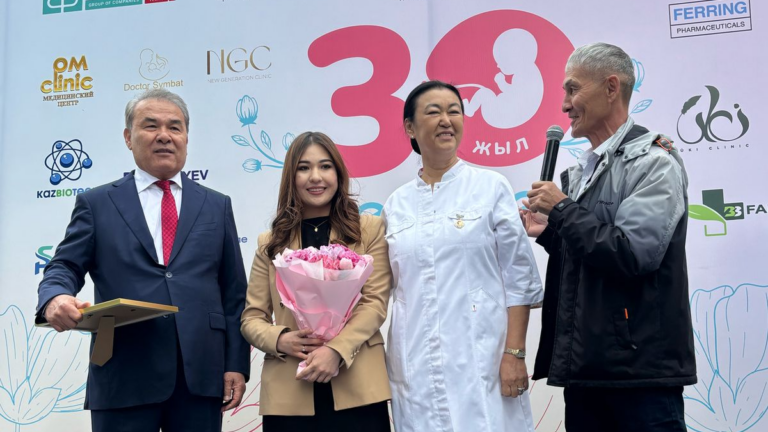
Artificial intelligence will help Kazakhstani reproductologists from Ecomed to more effectively combat infertility

Over 3 years, thanks to the “Ansagan Sabi” program, 7 thousand babies were born